

For decades, the typewriter was the writer’s companion — the machine that brought thoughts to printed reality with a satisfying click-clack rhythm. Today, in an era dominated by laptops, tablets, and AI-assisted text generation, the humble typewriter can seem like a relic. But appearances can be deceiving.
Before dismissing the old machine, it’s worth understanding what made typewriters revolutionary — and why they still matter to many people in 2026.
How a Typewriter Actually Works
At its core, a typewriter is simple but elegant machine engineering.
A traditional mechanical typewriter uses a series of levers — each connected to a typebar stamped with a character (letter, number, symbol). When a key is pressed:
- The typebar swings forward,
- Strikes an inked ribbon,
- Imprints the character onto the paper,
- The carriage (holding the paper) moves slightly to the left,
- Readying the next character space.
This chain of physical events means each character is a tiny mechanical action — no electronics, no fonts, no touchscreens.
Older typewriters relied entirely on human force. Every character was literally powered by the writer’s fingers. The rhythm of typing was a dance between intention and mechanics, and the resulting printed text was permanent the moment metal met paper.
Electric and Modern Typewriters
As technology advanced, typewriters got an upgrade. In the mid-20th century, electric typewriters arrived. These used:
- Motors to drive the typebar action,
- Electric power for consistent typing force,
- Features like correction tapes and pools of memory for text recall.
Unlike mechanical machines, electric typewriters reduced finger fatigue and improved typing speed without losing the tactile appeal.
In 2026, “modern” typewriters come in a few distinct categories:
1. Vintage Mechanical Typewriters
- Fully manual
- Durable, repairable
- Appreciated for tactile feedback
2. Electric Typewriters
- Motor-assisted key action
- Often include basic text memory
- Better for extended typing sessions
3. Digital Typewriters / Smart Typewriters
- Combine physical keyboards with digital storage
- Connect to computers or cloud services
- Some support wireless syncing and rewinding text
This evolution means the typewriter isn’t extinct — it has simply diversified.
vintage mechanical typewriter
electric typewriter
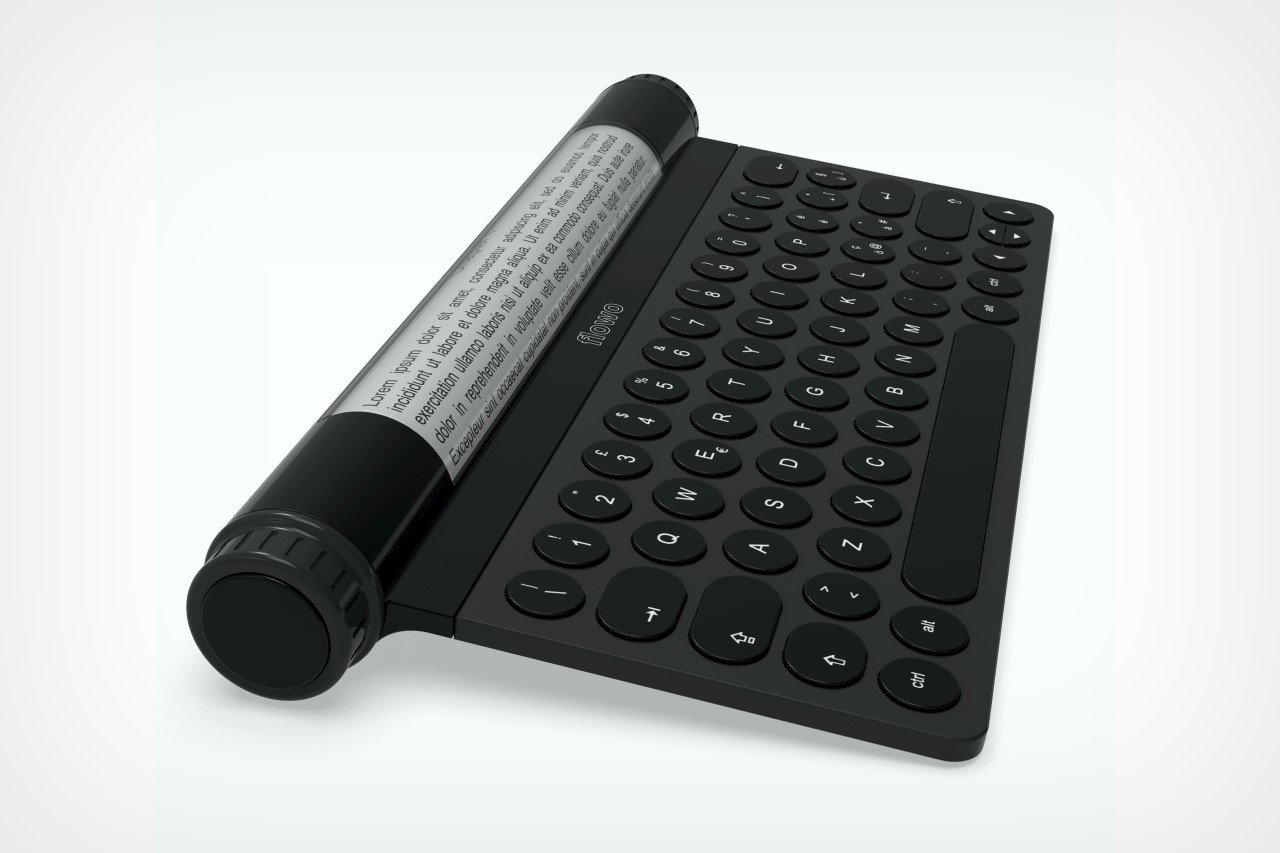
digital typewriter
Why Typewriters Still Appeal in 2026
In a world of constant digital distraction, many writers turn to typewriters for focus. Without alerts, auto-save, or pop-ups, writing becomes a pure act of composition — unbroken and immersive.
Psychologically, the permanence of printed text also changes how people write. Knowing that every keystroke is physically imprinted makes writers more deliberate with words.
For creative professionals, typewriters offer:
- Nostalgia and ritual
- Mechanical satisfaction
- A break from screens and digital noise
Some authors still draft entire novels on machines — not because they expect to publish directly, but because the medium influences the process.
Modern Typewriters Worth Considering in 2026
If you’re thinking about updating from an old model, or choosing your first typewriter, these are some standout options in today’s market:
Olympia SM9 (Mechanical Classic)
A beloved German machine known for smooth action and reliability. Ideal for enthusiasts who want pure mechanical feel.
Smith-Corona Classic 12 (Electric)
A durable electric typewriter that balances ease of use with traditional layout. Good for long sessions.
Brother GX-6750 (Portable Electric)
Lightweight and reliable, with a good balance of modern ergonomics and vintage charm.
Freewrite Smart Typewriter (Digital Hybrid)
This modern device offers distraction-free drafting with cloud sync, e-ink screen, and long battery life. Best for writers who want the typewriter feel but need digital convenience.
Canon Typestar 4 (Compact Retro)
A portable, quieter option with solid key feel — a favorite among collectors and light users.
Each of these machines serves a slightly different purpose, so the right one depends on how you intend to use it.


Mechanical vs. Electric vs. Digital: Key Differences
Understanding the core differences helps you choose wisely:
Mechanical
- Purely human power
- Satisfying physical feedback
- Can be restored and maintained decades longer than many electronics
Electric
- Easier on fingers
- Often includes correction mechanisms
- Still tactile but less demanding
Digital Hybrid
- Offers text storage and export
- Interfaces with cloud or desktop apps
- Best for writers who want distraction-free typing without losing digital workflow
In practice, mechanical machines are treasured for process and feel, electric machines for comfort, and digital hybrid machines for productivity integration.
Are You Still Using That Slow, Old Typewriter?
The answer depends on what you want from writing.
If you need speed, revision control, cloud backup, and keyword search, a digital workflow (laptop or digital typewriter) is faster than an old mechanical machine.
But if your goal is creative focus, ritualized composition, and enjoying the act of writing, even a slow, old typewriter still has value.
The right choice isn’t about rejecting digital tools — it’s about using the right tool for the task at hand.
Some writers start drafts on a digital typewriter and polish on a computer. Others find the tactile escape of a manual typewriter helps them break through writer’s block.
In 2026, typewriters aren’t obsolete — they’re specialized.


